Vintage Music Sheet Backgrounds: Elevating Creative Projects with Timeless Elegance
In the world of visual design, few elements evoke a sense of history, sophistication, and artistic depth quite like vintage music sheet backgrounds. These textured visuals serve as more than just decorative filler; they are powerful storytelling tools that bridge the gap between auditory nostalgia and visual communication. Whether you are a graphic designer crafting a wedding invitation, a teacher creating engaging lesson plans, or a digital content creator seeking a unique aesthetic for social media, understanding how to effectively utilize these historical textures can significantly enhance the impact of your work.
Understanding the Appeal of Vintage Music Notation
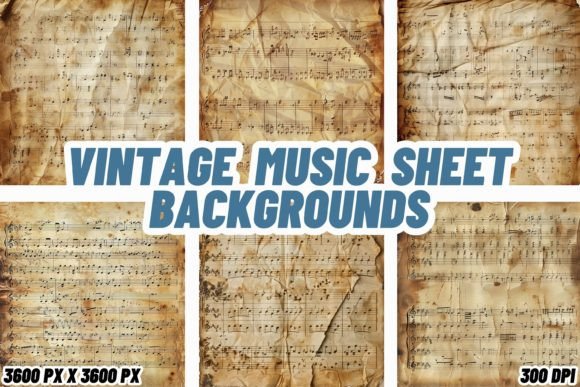
At its core, a vintage music sheet background is a digital or physical reproduction of aged musical notation. However, the value lies beyond the notes themselves. The appeal stems from the combination of typographic beauty, paper texture, and cultural association. The intricate lines of staffs, the elegant curves of treble clefs, and the distinct serif fonts used in 19th and early 20th-century engraving create a complex visual rhythm that modern minimalist designs often lack.
For adults seeking practical design solutions, these backgrounds solve a specific problem: adding warmth and authenticity to sterile digital layouts. In an era of flat design and vector graphics, the organic imperfections of scanned sheet music—foxing, creases, yellowed edges, and ink bleed—provide a tactile quality that resonates emotionally with viewers. They signal craftsmanship, tradition, and a respect for the arts, making them ideal for projects requiring a touch of class or historical context.
Common Challenges in Sourcing and Implementation
While the aesthetic benefits are clear, users often encounter hurdles when trying to integrate vintage music sheet backgrounds into professional workflows. Identifying these challenges is the first step toward successful implementation.
- Resolution and Print Quality: Many free resources found online are low-resolution scans suitable only for web use. When printed on high-quality cardstock or large-format posters, these images appear pixelated or muddy, undermining the premium feel you aim to achieve.
- Copyright and Licensing: Just because a piece of music is old does not mean the specific scan or photograph of it is in the public domain. Museums and archives may hold rights to their digital reproductions. Using unverified assets for commercial products like album covers or merchandise can lead to legal complications.
- Legibility and Contrast: Musical notation is inherently busy. A common mistake is placing text directly over dense clusters of notes without adequate separation, resulting in poor readability and accessibility issues.
- Historical Accuracy: For period-specific projects, using the wrong era of notation can be jarring to knowledgeable audiences. Baroque notation looks distinctly different from Romantic or Early Jazz era sheets, and mismatching them can break immersion.
Practical Applications Across Different Fields
The versatility of vintage music sheet backgrounds allows them to serve diverse user needs. By tailoring the application to the specific goal, you can maximize the effectiveness of this design element.
Event Stationery and Wedding Design
For couples and stationers, vintage sheet music provides a romantic, timeless foundation. It works exceptionally well as a liner for envelopes, a backing for menu cards, or a subtle watermark on save-the-dates. The key here is subtlety. Rather than using a full-contrast scan, designers often reduce the opacity to 15-20% or apply a cream overlay. This ensures the background adds texture without competing with the essential details of the event. Pairing these backgrounds with letterpress printing or gold foil stamping creates a multi-sensory experience that feels luxurious and intentional.
Educational Materials and Presentations
Music educators and historians face the challenge of keeping students engaged with historical material. Standard white slides can feel disconnected from the subject matter. Incorporating authentic period sheet music as slide backgrounds helps contextualize the lesson visually. For example, when teaching about the Harlem Renaissance, using background textures from actual 1920s jazz publications grounds the lecture in reality. To maintain focus on the educational content, use dark overlays with light text, ensuring the music remains visible but secondary to the learning objectives.
Digital Content and Social Media Branding
Content creators in the classical, folk, or acoustic genres often struggle to create cohesive visual branding that matches their sonic identity. Vintage music sheet backgrounds offer an instant brand anchor. They can be used consistently across Instagram carousels, YouTube thumbnails, and podcast cover art. The practical approach here involves creating a master template where the background is treated uniformly—perhaps with a specific sepia filter or vignette effect—to ensure recognition across platforms. This consistency helps build a professional image that attracts serious listeners and collaborators.
Best Practices for Effective Integration
To move beyond amateur aesthetics and achieve professional results, consider these technical and stylistic recommendations when working with vintage music sheet backgrounds.
Prioritize High-Resolution Sources: Always source assets from reputable stock libraries, museum open-access collections, or dedicated design resource sites. Look for files that are at least 300 DPI for print projects. If you must upscale a smaller image, use AI-enhancement tools specifically designed for document restoration to preserve the sharpness of the staff lines and note heads.
Master Layering and Opacity: Treat the background as a texture, not the focal point. Use blending modes like "Multiply" or "Overlay" in your design software to merge the paper grain with your color palette seamlessly. If the notation is too distracting, apply a Gaussian blur or a solid color wash. This technique retains the vintage character while creating negative space necessary for typography.
Verify Licensing Rigorously: For commercial projects, invest in properly licensed assets or use verified public domain repositories like the Library of Congress or IMSLP (International Music Score Library Project). Document your sources. If you are scanning your own antique sheets, you generally own the copyright to that specific digital reproduction, giving you total freedom and uniqueness.
Consider Accessibility: Always check contrast ratios if text is placed over the background. The intricate patterns of music notation can confuse screen readers and visually impair readability for humans. Use solid text boxes or semi-transparent shapes behind your copy to guarantee that the message is never lost in the melody.
Tailoring the Approach to Your Specific Needs
Different users will derive value from vintage music sheet backgrounds in unique ways based on their end goals. A hobbyist scrapbooker might prioritize emotional resonance and ease of use, opting for pre-made digital papers that require no editing. Conversely, a professional branding agency might seek raw, unprocessed TIFF files to manipulate extensively, ensuring the final product is bespoke and legally safe for a client’s trademark.
For those focused on sustainability and eco-friendly design, utilizing digital vintage backgrounds eliminates the need to source and destroy actual antique documents. You achieve the aesthetic of preservation without the waste. Meanwhile, musicians releasing physical vinyl or CDs might use these backgrounds to reinforce the analog nature of their medium, signaling to collectors that the product is a tangible artifact worth owning.
Ultimately, the successful use of vintage music sheet backgrounds requires balancing aesthetic appreciation with functional design principles. By respecting the source material, addressing technical constraints, and aligning the visual style with your specific communicative goals, you transform simple sheet music into a profound design asset. Whether evoking the grandeur of a concert hall or the intimacy of a parlor song, these backgrounds provide a rich, versatile canvas for adult creators seeking to add depth, meaning, and enduring beauty to their work.