Wildflower Design and Flower Clipart: Cultivating Authentic Visuals in Modern Creative Workflows
In an era dominated by polished minimalism and AI-generated perfection, a distinct shift is occurring across digital and print media. Creators, marketers, and educators are increasingly turning toward organic, imperfect aesthetics to forge genuine connections with their audiences. At the heart of this movement lies the resurgence of wildflower design and versatile flower clipart. Far from being mere decorative afterthoughts or relics of early desktop publishing, these botanical elements have evolved into sophisticated tools for visual storytelling. They represent a desire for authenticity, nostalgia, and natural beauty in a landscape that often feels sterile and overly curated.
This trend is not simply about aesthetics; it is a response to changing user expectations and market fatigue. Audiences aged 20 to 50, who navigate thousands of images daily, have developed a keen filter for generic stock photography and synthetic visuals. Wildflower motifs offer a tactile alternative. Whether used in wedding stationery, sustainable brand packaging, educational resources, or social media content, these designs signal warmth, approachability, and a respect for natural rhythms. Understanding how to leverage these assets effectively requires moving beyond simple decoration and recognizing their strategic role in modern communication.
The Evolution from Kitsch to Curated Botanical Art
To understand the current relevance of flower clipart, one must acknowledge its transformation. Historically, digital floral art was often characterized by low resolution, garish colors, and rigid symmetry. It served a functional purpose in an age of limited bandwidth and basic software. Today, the category has been redefined by high-resolution scanning, hand-painted watercolors, and scientifically accurate illustrations. Modern wildflower design prioritizes texture and imperfection. Visible brushstrokes, paper grain, and asymmetrical compositions are no longer flaws; they are features that convey human craftsmanship.
This evolution mirrors broader shifts in creative technology and consumer taste. As design software became more accessible, the barrier to entry lowered, leading to a saturation of templated content. In response, professionals began seeking assets that felt bespoke. The current iteration of floral clipart often bridges the gap between vintage botanical plates and contemporary graphic design. It appeals to entrepreneurs and freelancers who need to project professionalism without sacrificing personality. For a small business owner creating product labels or a teacher designing classroom materials, these updated assets provide the visual weight of custom illustration at a fraction of the time and cost.
Psychological Resonance and the Biophilic Connection
The enduring popularity of wildflower aesthetics is deeply rooted in psychology. Biophilia, the innate human tendency to seek connections with nature, plays a significant role in how we process visual information. Research consistently suggests that exposure to natural imagery can reduce cognitive load, lower stress levels, and improve engagement. In practical terms, incorporating organic floral elements into digital interfaces, presentations, or marketing collateral can make content feel more welcoming and less demanding.
For content creators and marketers, this is a functional advantage. A blog post header featuring soft meadow flowers sets a different tone than one with bold geometric shapes or tech-focused abstract art. It primes the reader for reflection, learning, or emotional connection. This is particularly relevant for wellness brands, mental health advocates, and educational platforms where trust and comfort are paramount. The choice of specific flora also matters; native wildflowers suggest locality and ecological awareness, while cultivated roses might imply tradition or luxury. Selecting the right botanical asset is an exercise in non-verbal communication that aligns visual identity with core values.
Strategic Applications Across Industries
The versatility of wildflower design extends far beyond personal crafting. Professionals across diverse sectors are integrating these elements to solve specific business and communication challenges.
- Sustainable Commerce: Eco-conscious brands use native wildflower illustrations to reinforce commitments to biodiversity and environmental stewardship. Unlike generic "green" iconography, specific botanical art demonstrates attention to detail and authentic alignment with sustainability goals.
- Educational Content: Teachers and curriculum developers utilize realistic flower clipart to create engaging, visually rich learning materials. Accurate botanical illustrations support science education, while stylized versions enhance literacy resources and classroom decor without overstimulating young learners.
- Digital Marketing: Social media managers employ floral overlays and borders to break up text-heavy feeds and maintain brand consistency. These elements serve as visual anchors that increase scroll-stopping power while softening promotional messaging.
- Event Planning: Wedding planners and stationers blend digital clipart with physical textures to create cohesive event identities. The ability to scale and recolor digital florals allows for seamless matching across invitations, signage, menus, and thank-you cards.
- Freelance Branding: Solopreneurs use curated floral kits to establish professional visual systems without hiring full-time illustrators. Modular clipart sets allow for flexible application across websites, business cards, and client deliverables.
These applications demonstrate that floral assets are operational tools, not just embellishments. They solve problems related to tone, engagement, and brand cohesion in ways that purely typographic or photographic solutions cannot.
Navigating Licensing, Ethics, and Quality Standards
As demand grows, so does the complexity of sourcing appropriate assets. Professionals must navigate licensing agreements with care. Not all flower clipart is created equal, and usage rights vary significantly between personal, commercial, and extended commercial licenses. A common pitfall for new entrepreneurs is assuming that purchasing a digital download grants unlimited rights. Many licenses restrict use in end products for resale, require attribution, or limit the number of units produced. Diligence in reviewing terms protects businesses from legal exposure and supports the artists who create these works.
Ethical considerations also extend to cultural and ecological accuracy. There is growing awareness around the representation of native versus invasive species in design. Using botanically accurate illustrations of local wildflowers can reinforce regional identity and ecological literacy, whereas generic or misidentified plants may undermine credibility with knowledgeable audiences. Additionally, respecting the cultural significance of certain flowers prevents unintentional appropriation or misuse. Quality assessment should include verification of artistic integrity, technical specifications (resolution, color profiles), and ethical provenance. Investing in premium, responsibly sourced assets often yields better long-term value than relying on free, unverified repositories.
Integrating Botanical Assets into Modern Workflows
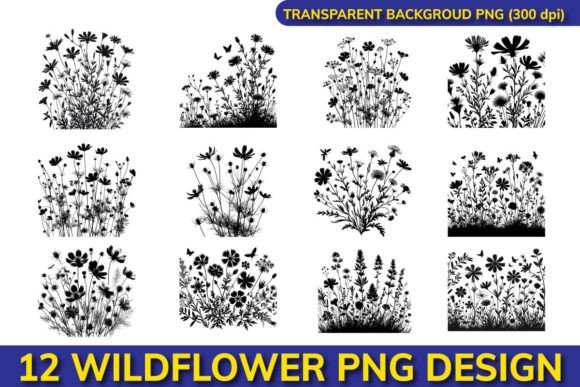
The practical integration of wildflower design into professional workflows has been streamlined by advances in file formats and software compatibility. Modern clipart is typically delivered in multiple formats—PNG with transparent backgrounds for quick placement, SVG for infinite scalability in web and cut machines, and PSD/AI files for deep customization. Understanding which format suits a given task is essential for efficiency.
For web designers, SVG florals offer crisp rendering at any screen size without impacting load times, provided they are optimized. Print professionals benefit from high-DPI PNGs or vector files that maintain edge quality at large scales. Educators and hobbyists often prefer pre-sized PNGs for drag-and-drop simplicity in tools like Canva or PowerPoint. The key is matching asset specifications to output requirements. Over-engineering a social media graphic with a 300 DPI TIFF file wastes storage and processing time, while using a 72 DPI web image for poster printing results in pixelation and amateurish outcomes.
Customization remains crucial for avoiding the "template look." Even when using pre-made clipart, professionals should adjust colors to match brand palettes, modify opacity for subtlety, combine multiple elements into unique arrangements, or apply texture overlays for cohesion. These small interventions transform generic assets into distinctive brand property. The goal is not to hide the use of clipart but to integrate it so seamlessly that it feels intentional and original.
Future Directions: Sustainability and Digital Craft
Looking ahead, the intersection of wildflower design and technology will likely deepen rather than diminish. As AI image generation becomes ubiquitous, the value of verified, human-created botanical art may actually increase as a marker of authenticity. Audiences are beginning to distinguish between algorithmic approximations and intentional artistic expression. Hand-painted digitals carry the weight of human observation and skill that AI currently cannot replicate with genuine meaning.
Sustainability will also continue to shape aesthetic preferences. Designs that reflect local ecosystems, seasonal changes, and native biodiversity align with growing environmental consciousness. We may see increased demand for region-specific wildflower libraries and collaborations between designers and botanists to ensure accuracy and educational value. The trend toward "digital craft"—where traditional artistic techniques are preserved and enhanced through digital tools—suggests that flower clipart will remain a vital medium for expressing humanity in an increasingly automated world.
Ultimately, the enduring appeal of wildflower design lies in its capacity to ground us. In professional and creative contexts, these elements do more than beautify; they communicate values, evoke emotions, and create spaces for human connection. By approaching floral assets with intentionality, respect for craft, and strategic awareness, creators can harness their power to build work that resonates deeply and lasts beyond fleeting trends. The meadow, rendered in pixels and ink, remains a potent symbol of growth, resilience, and natural beauty in our digital lives.