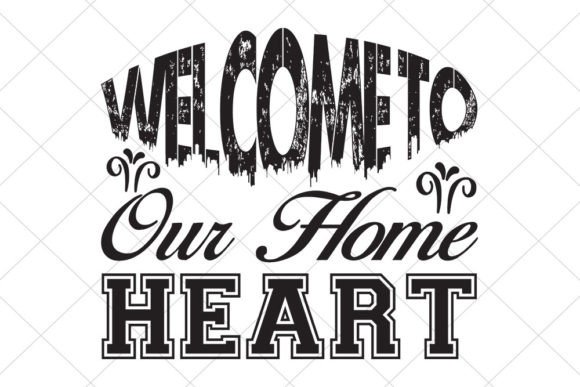
Evaluating Retro Doormat SVG Designs: A Practical Guide for Makers and Sellers
Selecting the right digital asset for custom entryway decor requires more than a cursory glance at thumbnail previews. When researching a Retro Doormat SVG Design, buyers are often navigating a crowded marketplace of vintage aesthetics, ranging from mid-century modern geometric patterns to 70s-inspired typography. The distinction between a high-quality vector file and a subpar graphic lies in technical construction, aesthetic authenticity, and production compatibility. For crafters using Cricut or Silhouette machines, as well as small business owners utilizing stencil cutters or vinyl plotters, understanding these nuances is essential for minimizing material waste and achieving professional results.
Defining Technical Quality in Retro Vector Art
The term "retro" encompasses decades of design history, but in the context of scalable vector graphics (SVG), it refers to specific structural requirements that differ from standard clip art. A genuine Retro Doormat SVG Design is not merely an image saved with an .svg extension; it is a mathematically constructed path system optimized for cutting blades. Many files marketed as retro designs are actually rasterized JPEGs or PNGs that have been auto-traced by software. These auto-traced files often contain jagged edges, excessive anchor points, and internal artifacts that cause cutting machines to stutter or fail.
High-quality retro vectors intended for doormats prioritize clean node placement. Because retro styles frequently utilize distressed textures, halftone patterns, or grunge effects, the file must balance visual complexity with mechanical simplicity. A superior design will feature welded text and unified shapes, ensuring that the machine cuts the entire phrase or pattern as a single continuous piece rather than hundreds of tiny, disconnected fragments. This distinction is critical when working with adhesive vinyl or stencil film, where weeding intricate details can become impossible if the vector paths are poorly optimized.
Authenticity Versus Generic Vintage Styling
Beyond technical execution, the evaluation process should consider design integrity. The market is saturated with generic "vintage" labels applied to modern fonts with artificial wear filters. A true Retro Doormat SVG Design typically adheres to specific historical typographic rules and color palettes relevant to its claimed era. For example, a 1950s atomic age design should utilize starbursts and boomerang shapes with appropriate curvature, while a 1970s revival piece might feature heavy, rounded serifs and warm earth tones.
When comparing options, examine whether the distressing is integrated into the vector paths or applied as a separate overlay mask. Integrated distressing allows for single-layer cutting on dark mats, whereas overlay masks require multi-layer alignment or print-then-cut methods. For users focused on traditional stenciling or layered vinyl application, designs with baked-in texture paths offer greater versatility and reduce the risk of registration errors during assembly.
Comparing File Formats and Production Methods
While SVG remains the industry standard for cutting machines, it is not always the optimal format for every retro doormat project. Understanding when to utilize alternative formats can save significant time and resources. The decision largely depends on the intended production method and the complexity of the retro artwork.
- SVG for Vinyl and Stencils: Best for solid-color retro typography and simple geometric motifs. If the Retro Doormat SVG Design relies on negative space and bold lines, this format provides the cleanest edge quality for physical cutting.
- PNG/DXF for Laser Engraving: Some retro designs incorporate shading or gradients that cannot be replicated with vinyl layers. In these cases, high-resolution PNGs or DXF files may be superior for laser engravers, which rely on raster scoring rather than vector cutting.
- EPS/AI for Commercial Printing: For those outsourcing production to commercial rug printers or screen printers, EPS or Adobe Illustrator files preserve color profiles and scalability better than web-optimized SVGs.
Makers should also evaluate the layer structure within the SVG. Multi-layered retro designs allow for color blocking, which is ideal for creating vibrant, nostalgic entryway mats using heat transfer vinyl (HTV) or permanent adhesive vinyl. However, single-layer designs are preferable for painting through stencils onto coir mats. Choosing a file that aligns with your specific fabrication workflow prevents the need for extensive editing in third-party software like Illustrator or Inkscape before production can begin.
Sizing Constraints and Aspect Ratio Considerations
Doormats come in standardized dimensions, yet many digital designs ignore these physical realities. A common pitfall when purchasing a Retro Doormat SVG Design is acquiring a file with an aspect ratio that does not match standard mat sizes such as 18x30 inches or 24x36 inches. Stretching a square design to fit a rectangular mat distorts the retro typography, ruining the vintage proportion that defines the style.
Professional-grade assets often include multiple variations or pre-sized artboards tailored to common doormat dimensions. When comparing products, check the product description for explicit sizing information or included templates. Files that provide separate versions for different mat ratios demonstrate a higher level of creator expertise and user-centric design. This attention to detail reduces the guesswork involved in resizing and ensures the retro elements remain visually balanced regardless of the substrate size.
Evaluating Licensing and Commercial Viability
For entrepreneurs selling finished retro doormats, the licensing terms associated with an SVG design are as important as the visual appeal. Personal use licenses are sufficient for hobbyists making gifts, but they expose sellers to legal risk if used for commercial products. Conversely, some commercial licenses place caps on production volume or prohibit certain sales channels, such as print-on-demand platforms.
It is vital to distinguish between licensing the digital file and licensing the design concept. Purchasing a Retro Doormat SVG Design typically grants the right to create physical end products, not to resell the digital file itself or use it in digital marketing materials without modification. Furthermore, buyers should verify whether the retro elements are original creations or derived from public domain sources. Original artwork offers stronger trademark potential and reduces the likelihood of encountering duplicate listings from other sellers using the same public domain assets.
Tradeoffs Between Bundles and Individual Assets
Marketplaces often present a choice between purchasing individual retro designs or acquiring large bundles. While bundles appear cost-effective, they introduce specific tradeoffs that warrant careful consideration. Large collections frequently contain filler content—generic patterns or outdated styles that dilute the overall value. Additionally, bundle files may lack consistent naming conventions or organized folder structures, making it difficult to locate specific designs later.
Individual purchases, though potentially more expensive per unit, often come with dedicated support, updated file versions, and detailed usage instructions. For makers building a cohesive brand identity around a specific retro niche, such as 80s neon or Victorian botanical, curated individual selections usually yield a more professional and consistent product line than disparate bundle contents. Evaluate your immediate production needs against long-term library management; investing in fewer, higher-quality assets often results in better ROI than accumulating unused digital inventory.
Decision Factors for Specific User Needs
The "best" Retro Doormat SVG Design is subjective and dependent on the user’s equipment, skill level, and business goals. Beginners operating entry-level cutting machines should prioritize designs with minimal detail and wider spacing between elements. Intricate retro filigree or fine halftone dots can tear easily during weeding or fail to adhere properly to textured coir surfaces. Simplified, bold retro lettering offers a higher success rate for those still mastering material settings and blade depth.
Experienced makers and commercial producers can leverage complex, multi-layered retro compositions that command higher price points. These users should look for files that include cut guides, registration marks, or assembly instructions. Advanced designs may also offer modular components, allowing creators to mix and match retro elements to create unique variations without violating licensing terms. This flexibility is particularly valuable for businesses needing to refresh seasonal inventory without constantly purchasing new base assets.
Compatibility Across Software Ecosystems
Not all SVG files behave identically across different design platforms. A Retro Doormat SVG Design that opens perfectly in Cricut Design Space may display missing nodes or incorrect grouping in Silhouette Studio or Sure Cuts A Lot. These discrepancies arise from differences in how software interprets SVG standards. Before committing to a purchase, especially from independent designers outside major marketplaces, verify compatibility with your specific software version.
Reputable sellers typically test their files across multiple platforms and note any known issues in the product description. Some may even provide alternative formats like DXF or EPS specifically for users experiencing compatibility problems. Ignoring these technical specifications can lead to frustrating troubleshooting sessions where the design appears correct on screen but fails during the cutting phase. Prioritizing cross-platform tested assets ensures a smoother workflow and protects your investment in both time and materials.
Balancing Aesthetic Trends With Timeless Appeal
Retro trends cycle rapidly, and what is popular today may feel dated within months. When selecting a Retro Doormat SVG Design for resale or long-term personal use, consider the longevity of the specific style. Nostalgia-driven designs tied to specific pop culture moments may have a shorter shelf life compared to broader stylistic movements like Art Deco, Mid-Century Modern, or Bohemian Revival. These broader categories tend to maintain steady demand because they integrate well with various home decor schemes beyond fleeting internet trends.
Analyzing search trends and marketplace saturation can inform smarter purchasing decisions. If a particular retro phrase or motif is oversaturated, finding a unique variation or combining retro aesthetics with contemporary messaging can differentiate your offerings. The most successful makers use SVG designs as a foundation for creativity rather than a final destination, adapting purchased vectors to create proprietary looks that stand out in a competitive marketplace. Ultimately, the goal is to select assets that serve as reliable tools for expression and production, balancing current appeal with enduring craftsmanship.