Bringing Coastal Calm Home: The Practical Appeal of White Washed Wood Effect Wallpaper
There is a specific texture that evokes memories of sun-bleached boardwalks, seaside cottages, and airy Scandinavian lofts. It is the look of timber that has been softened by time and light, stripping away heavy grains to reveal something ethereal and bright. For homeowners and designers seeking this aesthetic without the structural commitment or maintenance of actual reclaimed lumber, white washed wood effect wallpaper has emerged as a definitive solution. This design element bridges the gap between rustic warmth and modern minimalism, offering a versatile backdrop that transforms how a room feels, looks, and functions.
The Visual Psychology of Bleached Timber
Choosing wall coverings is rarely just about pattern; it is about manipulating light and space. White washed wood effect wallpaper operates differently than standard paint or darker wood paneling. The "white wash" technique, originally used to protect wood from rot and insects, creates a semi-opaque layer that allows the underlying grain to whisper through rather than shout. In a wallpaper format, this translates to a surface that reflects natural light while retaining organic depth.
This duality is crucial for modern interiors. Pure white walls can sometimes feel clinical or sterile, lacking character. Conversely, traditional wood paneling can make a room feel cave-like or dated. The whitewashed effect sits in the sweet spot, providing the textural interest necessary to anchor a space while maintaining the high reflectivity needed to keep rooms feeling open. This makes it particularly valuable in urban apartments where square footage is limited, or in north-facing rooms that struggle with natural illumination.
Material Composition and Durability
Not all wood-look papers are created equal. When selecting white washed wood effect wallpaper, understanding the substrate is as important as the visual design. Modern manufacturing has moved far beyond the shiny, plastic-looking vinyls of previous decades. Today’s options generally fall into three categories, each serving different practical needs:
- Vinyl-Coated Paper: The most common choice for high-traffic areas. The printed paper base is sealed with a protective vinyl layer, making it scrubbable and resistant to moisture. This is ideal for kitchens, hallways, or children's rooms where the pristine white tone might otherwise be at risk.
- Non-Woven Backings: These have revolutionized installation. Unlike traditional paper that expands when wet and shrinks when drying, non-woven materials are dimensionally stable. They allow for paste-the-wall application, which significantly reduces the chance of tearing and makes alignment of the wood plank pattern much more forgiving for DIY installers.
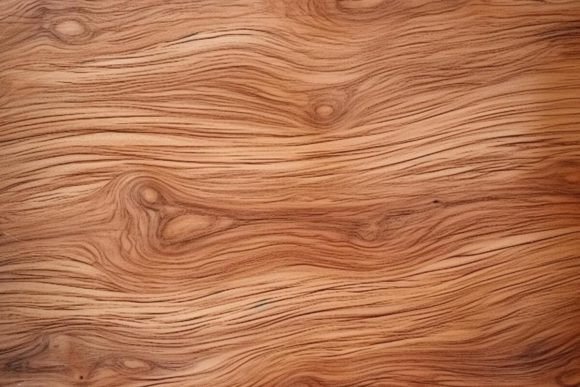
- Textured and Embossed Surfaces: To combat the flatness of print, premium white washed wood effect wallpaper often features physical embossing. You can actually feel the grooves of the plank boards and the raised grain lines. This tactile quality is essential for selling the illusion of real wood, especially when viewed from oblique angles where light hits the wall.
Styling Across Design Archetypes
The versatility of this material lies in its chameleon-like ability to adapt to various design languages. While often pigeonholed as strictly "coastal" or "farmhouse," white washed wood effect wallpaper serves as a neutral canvas for diverse aesthetics.
In Scandinavian and Japandi schemes, the wallpaper acts as a textural foundation. Paired with matte black fixtures, pale linen textiles, and organic ceramics, the white wood tone prevents the minimalist palette from feeling cold. The key here is choosing a pattern with low contrast—where the white wash is dominant and the grain is subtle—to maintain a sense of serenity.
For Modern Farmhouse applications, the approach shifts slightly. Here, the wallpaper often mimics wider shiplap or barn board profiles. It pairs well with wrought iron, leather, and deeper accent colors like navy or forest green. The white wash provides the necessary brightness to balance heavier furniture pieces, ensuring the room feels lived-in rather than museum-like.
Surprisingly, this material also works in Industrial spaces. When juxtaposed against exposed brick, concrete floors, or metal ductwork, white washed wood effect wallpaper softens the hard edges of industrial architecture. It adds a layer of residential comfort to converted warehouses or commercial offices, preventing the space from feeling too austere.
Navigating Pattern Scale and Orientation
A common pitfall when using faux wood finishes is ignoring scale relative to room size. White washed wood effect wallpaper typically comes in vertical plank orientations, but the width of these planks matters immensely. Narrow beadboard-style patterns can add height to a room with low ceilings, drawing the eye upward. However, in a small powder room or narrow hallway, too many thin lines can create a dizzying, cage-like effect.
Wider plank patterns, conversely, tend to ground a space and offer a more contemporary feel. They mimic modern architectural cladding rather than vintage siding. Before committing to a roll, it is advisable to order samples and tape them to the wall at different times of day. The interplay of shadow and highlight on the white wash texture changes dramatically between morning sunlight and evening artificial lighting. What looks crisp and bright at noon may appear grey or yellow under warm LED bulbs at night.
Installation Realities and Surface Preparation
The success of any wood-effect wall covering depends entirely on the preparation beneath it. Because white washed wood effect wallpaper often features linear, geometric patterns, it exposes wall imperfections more readily than busy florals or abstract prints. A bowed wall or uneven corner will cause the straight lines of the "planks" to drift, breaking the visual illusion.
Professional installers recommend skimming walls with joint compound to achieve a Level 4 or Level 5 finish before hanging. If the walls are textured (such as orange peel or knockdown), lining paper should be applied first to create a smooth bridge. Additionally, because white backgrounds can sometimes be translucent, priming the wall with a tinted primer matching the wallpaper’s base tone helps prevent the wall color from ghosting through and ensures consistent coloration across seams.
Seam management is another critical consideration. With white-on-white designs, gaps between panels can cast tiny shadows that become glaringly obvious. Using a seam roller appropriate for the paper type and ensuring adequate paste coverage at the edges are non-negotiable steps. For non-woven white washed wood effect wallpaper, butt-joining seams without overlap is standard, but the installer must account for the material's lack of stretch, ensuring precise trimming.
Maintenance and Long-Term Care
One of the primary drivers for choosing wallpaper over real whitewashed wood is maintenance. Real wood requires sealing, can warp with humidity fluctuations, and is difficult to clean without damaging the finish. High-quality vinyl or coated white washed wood effect wallpaper eliminates these concerns. Routine dusting with a microfiber cloth keeps the texture free of debris, while occasional spot cleaning with a damp sponge handles splashes or fingerprints.
However, users should be aware of UV stability. While modern inks are fade-resistant, direct, intense sunlight over years can alter the tone of white pigments. In south-facing windows with unfiltered light, considering UV-blocking window treatments can preserve the intended coolness of the white wash. Furthermore, if repairs are ever needed, keeping a spare roll from the same batch number is vital, as dye lots can vary subtly in white tones.
Economic and Environmental Considerations
Beyond aesthetics, the decision to use white washed wood effect wallpaper is often rooted in pragmatism. Sourcing authentic reclaimed white wood is expensive and environmentally taxing due to transport weight and processing. Wallpaper offers a lightweight alternative with a lower carbon footprint per square foot of coverage. It also allows for reversibility; unlike painted shiplap or nailed timber, wallpaper can be stripped and replaced as trends evolve or tenant preferences change.
This flexibility makes it an intelligent choice for rental properties, staging homes for sale, or commercial retail environments where branding refreshes occur frequently. It delivers the high-end, custom millwork look at a fraction of the cost and installation time, democratizing access to a design style that was once reserved for luxury renovations. By understanding the nuances of texture, light, and installation, homeowners can leverage this material not just as a decorative afterthought, but as a foundational architectural element that defines the character of their space.