Aloe Vera Plant: Creative Uses Beyond Skincare
The Aloe Vera plant is often relegated to the windowsill as a passive remedy for sunburns, but for the modern creative professional, it represents something far more dynamic. This resilient succulent serves as a versatile medium for designers, content creators, educators, and entrepreneurs looking to integrate biophilic elements into their work. Beyond its well-documented medicinal properties, the Aloe Vera plant offers distinct aesthetic, functional, and symbolic value that can elevate projects ranging from interior styling to sustainable product development. Understanding this botanical subject requires moving past generic wellness tropes and exploring its specific applications in professional and creative contexts.
Biophilic Design and Visual Composition
For designers and visual artists, the Aloe Vera plant provides a masterclass in organic geometry. Its rosette structure, characterized by thick, lanceolate leaves radiating from a central point, offers a natural study in radial symmetry and negative space. Unlike trailing vines or bushy ferns, Aloe maintains a rigid, architectural form that photographs exceptionally well. This makes it an ideal subject for flat lays, minimalist branding photography, and 3D rendering references.
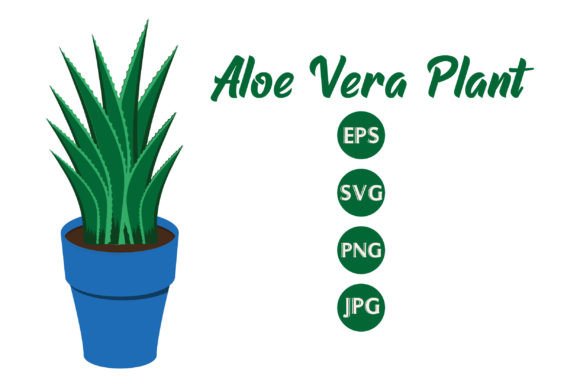
When incorporating Aloe Vera into visual projects, consider the texture of the leaf surface. The matte finish, subtle serrations along the margins, and occasional variegation create depth that digital filters often fail to replicate authentically. Photographers and videographers should leverage natural side-lighting to emphasize these tactile qualities rather than flattening the plant with direct flash. For graphic designers, the silhouette of the Aloe Vera plant translates effectively into vector logos and iconography, symbolizing resilience, healing, and organic growth without relying on overused leaf clip-art.
Styling for Content Creation
Content creators and influencers can use Aloe Vera as a recurring visual motif to establish brand consistency. Because the plant is evergreen and structurally stable, it does not wilt between shoots, making it a reliable prop for batch-creating content. Consider these practical styling approaches:
- Scale Contrast: Pair small Aloe pups with oversized ceramics or tech accessories to emphasize product dimensions.
- Color Grading: Use the plant’s desaturated green tones as a neutral anchor in vibrant color palettes, preventing visual fatigue in social media feeds.
- Process Documentation: Film time-lapses of propagation or repotting to generate engaging, low-dialogue educational content that performs well across platforms.
Sustainable Material Exploration
Entrepreneurs and product designers are increasingly turning to the Aloe Vera plant as a source of sustainable biomaterials. While commercial extraction focuses on gel, the fibrous leaf rind presents untapped potential for small-scale material innovation. The structural fibers within the leaf can be processed into paper, textiles, or biodegradable packaging prototypes. This application appeals specifically to eco-conscious brands seeking tangible proof of sustainability rather than greenwashed marketing claims.
Creating Aloe-based materials requires patience and experimentation. The process involves harvesting mature outer leaves, separating the gel from the fiber, and drying or pulping the remaining cellulose. For freelancers and makers, documenting this R&D phase is as valuable as the final material itself. Audiences respond to transparency; showing the failures, messiness, and iterations of turning a plant into a usable material builds trust and demonstrates genuine expertise. This approach transforms the Aloe Vera plant from a mere ingredient into a narrative device about circular design and resourcefulness.
Workplace Wellness and Environmental Psychology
Educators, remote workers, and office managers can utilize the Aloe Vera plant to improve cognitive environments through evidence-based biophilia. Research suggests that interaction with indoor plants reduces cortisol levels and restores attention capacity. However, the utility of Aloe in this context goes beyond passive presence. Its low-maintenance nature makes it suitable for high-stress environments where complex plant care would become another burden.
In educational settings or workshops, Aloe serves as an accessible teaching tool for biology, sustainability, and even mindfulness. Its clear internal structure allows for easy dissection demonstrations, while its propagation method teaches concepts of vegetative reproduction without requiring seeds or specialized equipment. For remote professionals, placing an Aloe Vera plant within the peripheral vision of a workspace can serve as a soft focal point during screen breaks, helping to reduce eye strain and mental fatigue more effectively than staring at a blank wall.
Practical Cultivation for Consistent Results
Creative applications depend entirely on plant health. A stressed, etiolated, or rotting Aloe Vera plant undermines any aesthetic or functional goal. Maintaining specimen-quality plants requires understanding their specific physiological needs rather than following generic houseplant advice. Professionals using Aloe as a medium must treat cultivation as part of their technical skill set.
- Light Quality Over Quantity: Aloe Vera requires bright, indirect light to maintain compact growth. Direct midday sun causes photoinhibition, turning leaves brown or grey, which ruins visual appeal. East or west-facing windows are typically optimal for maintaining the vibrant green hue desired in photography.
- Substrate Engineering: Standard potting soil retains too much moisture. Create a custom mix using 50% inorganic grit (pumice, perlite, or lava rock) and 50% organic matter. This ensures rapid drainage and prevents root rot, the most common cause of failure.
- Watering Cycles: Water deeply only when the substrate is completely dry. In winter or low-light conditions, this may mean watering once every three to four weeks. Turgid, firm leaves indicate proper hydration; wrinkled leaves signal thirst, while mushy bases indicate rot.
- Acclimatization: When moving plants for shoots or relocating studios, gradually adjust light exposure over two weeks. Sudden changes cause shock and cosmetic damage that takes months to grow out.
Ethical Sourcing and Authenticity
As demand for botanical aesthetics grows, so does the risk of unsustainable sourcing. Creatives and businesses have a responsibility to verify that their Aloe Vera plants are nursery-propagated rather than wild-harvested. Wild poaching threatens native populations and ecosystems. Always purchase from reputable growers who can provide provenance information. This ethical consideration is not just moral; it is a quality indicator. Nursery-grown specimens are typically healthier, pest-free, and better adapted to indoor conditions than stressed wild plants.
Furthermore, authenticity extends to how the plant is represented. Avoid perpetuating myths about Aloe curing serious medical conditions or being indestructible. Ground your content in horticultural reality. Acknowledge that while the Aloe Vera plant is forgiving, it still has limits. This honesty resonates with adult audiences who value accuracy over aspirational perfection. Whether you are designing a logo, formulating a product, or styling a studio, treating the Aloe Vera plant with respect for its biological reality yields results that are both aesthetically superior and intellectually honest.
Adapting to Different Platforms
The way you present Aloe Vera should shift based on platform constraints and audience expectations. On Pinterest, focus on vertical, high-contrast imagery highlighting care tips or DIY projects. For LinkedIn, frame the plant through the lens of workplace productivity, sustainable business practices, or biophilic design trends. In long-form blogs or newsletters, dive deep into the history, botany, or material science aspects that shorter formats cannot accommodate. TikTok and Reels favor transformation narratives—show the before-and-after of repotting, the extraction of gel, or the progression of a design inspired by the plant’s form.
Ultimately, the Aloe Vera plant is a multifaceted resource for the creative class. It bridges the gap between natural beauty and practical utility, offering endless opportunities for interpretation and application. By approaching it with professional curiosity and horticultural discipline, you transform a common houseplant into a powerful tool for innovation, storytelling, and sustainable design. The key lies in looking beyond the gel and seeing the structure, the fiber, the symbol, and the living system that makes this species uniquely valuable to those who create for a living.